Abraxas: The Gnostic Power Beyond Good and Evil Abraxas, also written as Abrasax, Abraxis, or Abracax, is one of the most mysterious and paradoxical figures in Gnostic, magical, and demonological tradition. He
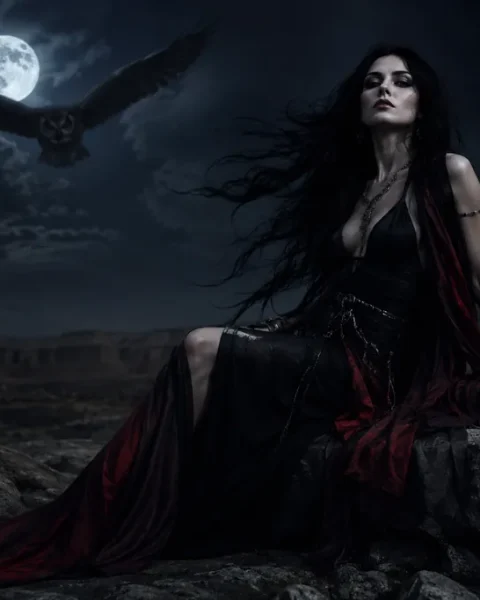
Lilith : Screech Owl; Beautiful Maiden; Dark Maid; Flame of the Revolving Sword; Maid of Desolation; Night Demon; Hand of Inanna; The Night Witch; The Howler Lilith: First Woman, Night Demon and Queen of the Wilderness Few supernatural beings possess
In her collection of Lincolnshire folklore in the archives of the Folklore Society, Mabel Peacock gives a tradition from Snakeholme current probably in the later nineteenth century. She writes: A.G., a Lincolnshire
A well-known phantom in the neighbourhood of Brigg was an apparition called the Lackey Causey Calf (causey = causeway). Sometimes described as headless, it was reported by Mabel Peacock in an unpublished
According to old writers, such was the medieval prosperity of Boston that when, during the proclamation of a tournament at fair time, a band of marauders dressed as monks fired the town
Earthworks and ruins at Old Bolingbroke, west of Spilsby, are all that remain of thirteenth-century Bolingbroke Castle, believed in the seventeenth century to be haunted by an animal ghost. Gervase Holles, in
Platts Stile on the footpath from Wymondham to Edmondthorpe was said to be haunted. Within living memory, said Roy Palmer in 1985, children were told not to pass that way after dark
Not far from Stoke Golding is the site of the battle of Bosworth Field (22 August 1485). Like other battlegrounds, it is said to be haunted: in 1985, Roy Palmer reported that
Staunton Harold Hall was the home of Laurence Shirley (1720–60), fourth Earl Ferrers, the last English peer to suffer a felon’s death. Although normally perfectly capable of managing his business affairs, he
A respectably antique ghost is one reported by John Nichols in his History … of Leicestershire (1795–1811). He writes: About midway between Sapcote and Stoney Stanton, over a rivulet, is a stone
In the forepart of the seventeenth century, Lutterworth was the scene of a disturbance by a ‘rapping spirit’ or poltergeist. Richard Baxter, in his Certainty of the Worlds of Spirits (1691), recalls
One of the family from whom Papillon Hall at Lubenham got its name was David Papillon (d. 1762), locally known as ‘Pamp’, ‘Old Pamp’, or ‘Lord Pamp’. He was greatly feared in
We're excited to share THIS LIST of spellcraft and witchcraft guides. Whether you're just starting out or deepening your practice, these books cover everything from wicca to hoodoo to demonology.CLICK HERE



Follow