

Xenomancy
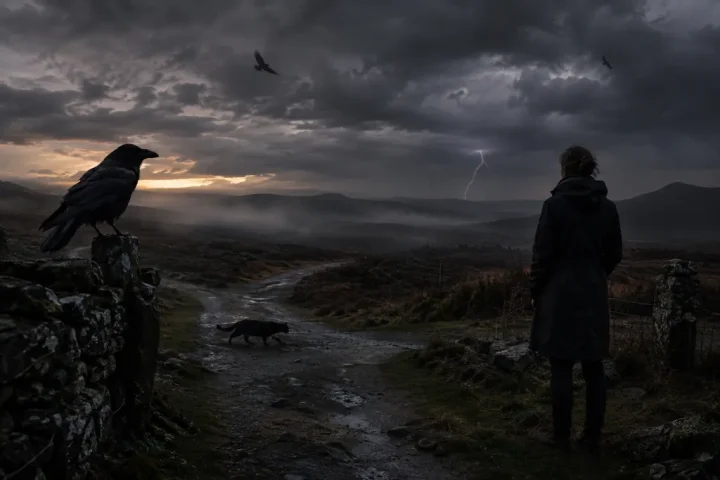
Xenomancy is a form of divination based on observing the first stranger who appears after a question has been asked, a ritual has been performed, or a significant moment has begun. The stranger’s appearance, behaviour, clothing, direction of travel, words, mood, gestures, or even the feeling they evoke may be interpreted as an omen.
The practice rests on the belief that the universe often speaks through chance encounters. A stranger, precisely because they are unknown, may become a vessel for symbolic meaning. They arrive from outside one’s personal circle, carrying no obvious connection to the seeker, and therefore may be seen as a messenger of fate, spirit, destiny, or divine timing.
Etymology
The word Xenomancy is derived from the Greek xenos, meaning “stranger” or “foreigner,” and manteia, meaning “prophecy” or “divination.” Literally, it means “divination by the stranger.”
This places Xenomancy among many ancient forms of omen-reading in which ordinary events are treated as meaningful signs. Just as birds, dreams, flames, bones, clouds, or chance words could be interpreted as messages, so too could the sudden appearance of an unknown person.
Origins and Historical Background
Xenomancy has been described as almost as ancient as humanity itself. In early societies, the arrival of a stranger was rarely neutral. A stranger could bring news, danger, wisdom, trade, warning, disease, blessing, or disruption. Because of this, the first unknown person encountered at an important moment could easily be viewed as a sign.
Primeval shamans and seers may have watched strangers as living omens, reading their presence in relation to the question being asked. Was the stranger old or young? Joyful or sorrowful? Carrying tools, weapons, food, flowers, or nothing at all? Did they approach from the east, west, north, or south? Did they speak first, remain silent, smile, turn away, or cross the path?
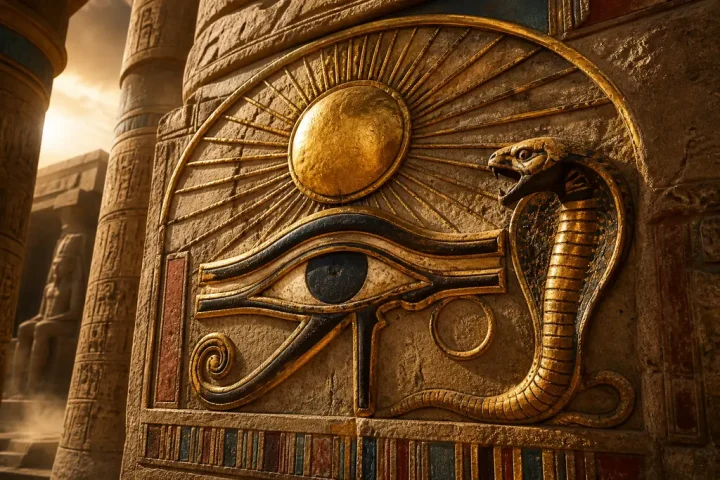
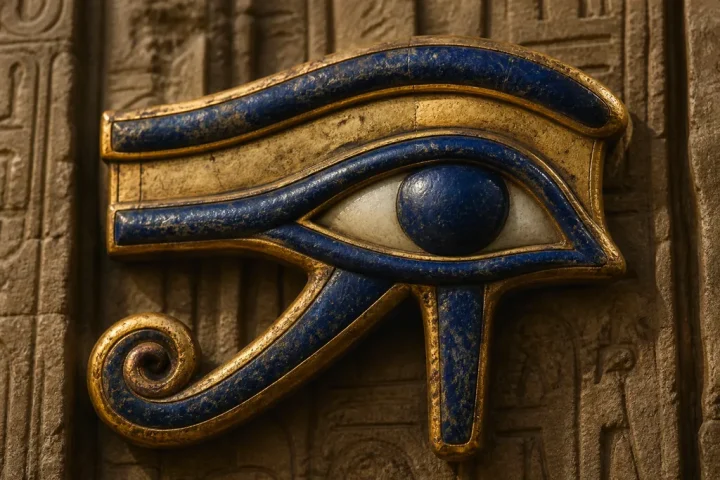
In ancient cultures such as Egypt and Rome, omen-reading was woven into daily life. The gods and spirits were believed to communicate through unusual events, unexpected meetings, symbolic coincidences, and the behaviour of people or animals. Within such a worldview, the first stranger encountered could be understood as more than a random passer-by. They could be interpreted as a sign placed upon the path.
How Xenomancy Works
In Xenomancy, the practitioner asks a question or focuses on a situation, then observes the first stranger who appears. The interpretation depends on the details of the encounter.
A calm, smiling stranger may suggest harmony, approval, peace, or a favourable outcome.
A hurried or anxious stranger may indicate delay, stress, urgency, or unresolved tension.
A stranger dressed in bright colours may suggest hope, visibility, success, or movement.
A stranger dressed in dark colours may point to mystery, caution, endings, secrecy, or introspection.
A stranger carrying flowers, food, books, keys, tools, or bags may each be interpreted symbolically.
The direction from which the person appears may also matter. Someone approaching may suggest arrival, opportunity, or confrontation. Someone walking away may suggest release, loss, departure, or the need to let something go.
Xenomancy is not simply about judging the stranger as a person. It is about reading the symbolic language of the moment.
Symbolic Interpretation
The stranger in Xenomancy represents the unknown. They may symbolise what is coming toward the seeker, what is being avoided, what must be noticed, or what spirit is attempting to reveal.
Because the stranger is not personally known, they can act as a blank mirror. The practitioner projects the question onto the encounter and reads the response through intuition, symbolism, and atmosphere.
For example, if someone asks, “Should I continue this path?” and the first stranger they see is confidently walking forward with purpose, this may be read as encouragement. If the first stranger appears lost, confused, or blocked, the omen may suggest uncertainty or the need for clearer direction.
The power of Xenomancy lies in attention. It trains the practitioner to notice the world as alive with signs.
Xenomancy as Everyday Divination
Unlike elaborate rituals requiring special tools, Xenomancy can be practised anywhere: in a town, on a road, at a market, in a train station, or while walking through a city. It belongs to the category of spontaneous divination, where the environment itself becomes the oracle.
However, the practice requires discernment. Not every passer-by should be treated as a dramatic prophecy. The practitioner must avoid paranoia, superstition, or intrusive behaviour. Xenomancy is best used as a symbolic reflection tool rather than as an absolute prediction.
The stranger is not to be disturbed, followed, questioned, or treated as an object. The omen is found in the natural appearance of the moment, not in interfering with another person’s life.
Spiritual Meaning
On a deeper level, Xenomancy teaches that the unknown is never empty. The stranger may represent fate arriving in human form, the world answering back, or the unconscious mind recognising a pattern before the conscious mind understands it.
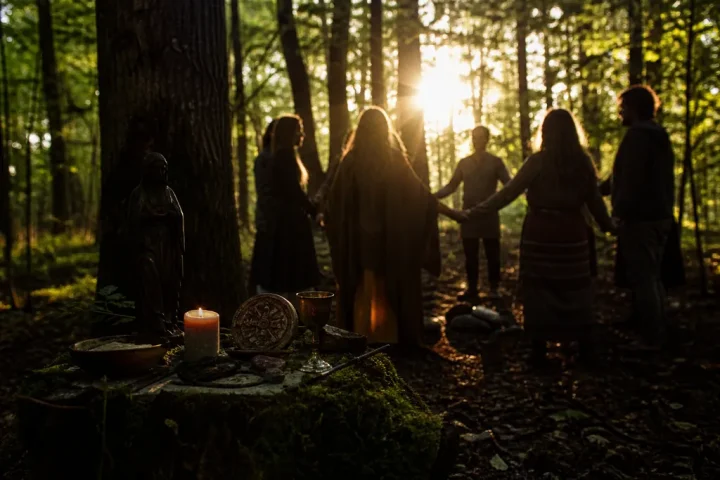
In magical practice, strangers often symbolise threshold energy. They stand between the familiar and the unfamiliar, the known and the hidden, the ordinary and the mysterious. To observe a stranger as an omen is to recognise that revelation may come from outside the expected circle.
Xenomancy therefore belongs to the wider occult idea that reality is interconnected, symbolic, and responsive.
Modern Use
Modern practitioners may use Xenomancy as a meditative or intuitive exercise. Before leaving the house, one may ask a question and then observe the first unknown person encountered. The interpretation can be written in a journal and compared with later events.
A simple method:
Ask one clear question.
Step into the world without forcing the result.
Notice the first stranger who naturally appears.
Observe appearance, movement, mood, objects, direction, and your own intuitive reaction.
Write down the omen before analysing it too much.
Reflect later on how the sign connected to the situation.
This method encourages awareness, intuition, and symbolic thinking.
Xenomancy and the Mystery of Chance
To the sceptic, Xenomancy may appear to be nothing more than coincidence. To the occult practitioner, coincidence itself may be the language of mystery. The stranger becomes a living symbol, crossing the path at the exact moment attention is open.
Xenomancy does not demand blind belief. Instead, it invites the practitioner to ask: What is the world showing me? What did I notice first? Why did this person, this image, this movement, or this mood stand out?
In this way, Xenomancy is less about controlling the future and more about learning to read the hidden poetry of the present.
Continue Your Path with Occult World
If Xenomancy fascinates you, it is only one doorway into the greater world of divination, omens, symbolism, and magical perception.
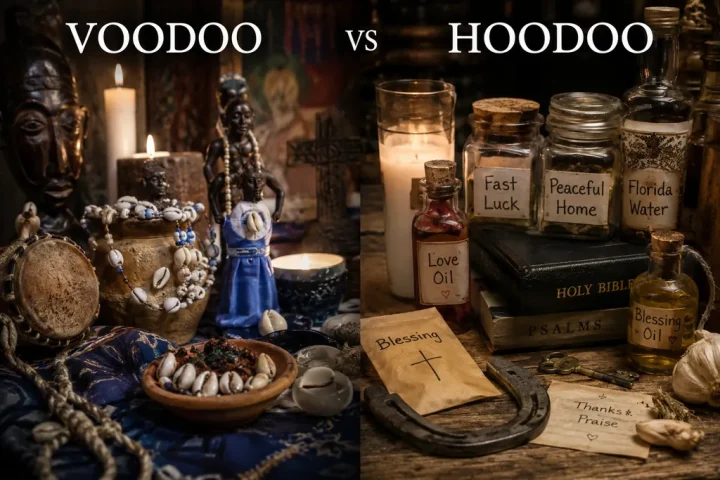
Inside the Occult World Mystery School, you can explore divination and magical practice more deeply through courses and teachings on Tarot, Lenormand, ritual work, spellcraft, Wicca, ancient grimoires, demonology, angels, hoodoo, necromancy, and more.
Occult World has been making the invisible visible since 2003. Now, the path continues inside our Skool community, where seekers, witches, mystics, and occult students can study, practise, ask questions, and grow together.
Join the Occult World community and continue your journey into the hidden language of signs, spirits, symbols, and power.






Follow