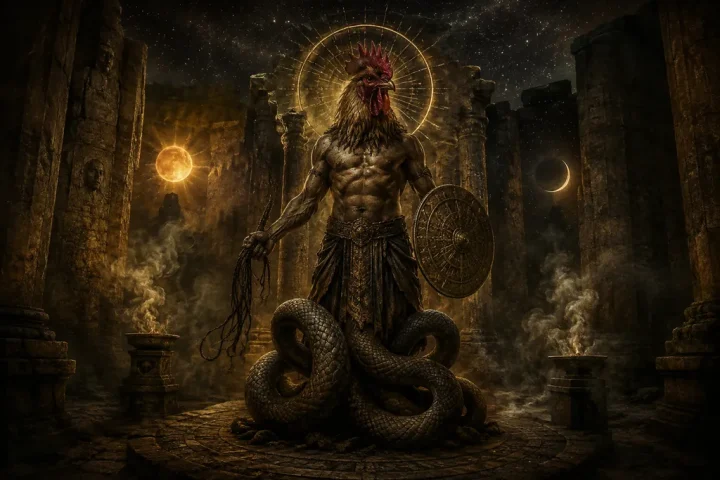
Abraxas: The Gnostic Power Beyond Good and Evil Abraxas, also written as Abrasax, Abraxis, or Abracax, is one of the most mysterious and paradoxical figures in Gnostic, magical, and demonological tradition. He
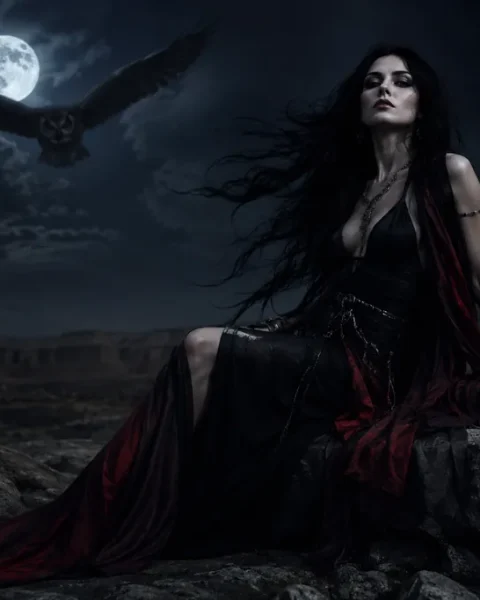
Lilith : Screech Owl; Beautiful Maiden; Dark Maid; Flame of the Revolving Sword; Maid of Desolation; Night Demon; Hand of Inanna; The Night Witch; The Howler Lilith: First Woman, Night Demon and Queen of the Wilderness Few supernatural beings possess
Mammon Mammon is a powerful infernal figure associated above all with wealth, greed, material obsession and the corrupting hunger for possession. In later demonological tradition he is described as a Fallen Angel,
Mandragora is a mysterious demon or spirit-being said to appear in the shape of a little man with no beard and thin hair. The name is closely associated with the mandrake root,
The maskim are seven Sumerian Demons who are great princes of Hell or princes of the abyss, considered to be among the most powerful of all. Maskim means “ensnarer” or “layers of
Mastema (also known as Mastemah or Mansemat) Mastema is a powerful and complex figure in Jewish demonological and apocalyptic literature, variously described as an angel of evil, hostility, adversity, and destruction, an
Mephistopheles Mephistopheles, also known as Mephistophilis, Mephistophilus or Mephostophiles, is one of the most recognisable demonic figures in Western literature. He is best known as the infernal companion and representative of the
Murder Headless Demon who sees through his breasts and speaks with the voice taken over from his victims. In the Testament of Solomon, Murder is summoned to appear before King Solomon. He
Naamah : The Charmer; Mother of Divination; My Darling Naamah, ancient and mysterious spirit, is a sometime ally, sometime rival, sometime traveling companion of Lilith. Like Lilith, she takes many forms: Naamah
Pithom In Jewish lore, a Serpent Demon summoned for prophecy. Pithom is mentioned in the Talmud. The Demon is human in form, with his head resting on his breast between his shoulders.
planoi In Greek lore, a type of Demon that assaults travelers and taunts them. Planos (singular) means “vagabond” or “deceiver.” According to JOHN CASSIAN, a father of the church in the fourth
A rabisu is a type of Babylonian Demon who lurks at the thresholds of homes, waiting to attack humans. Rabisu means “the ones that lie in wait.” The rabisu were deeply feared
We're excited to share THIS LIST of spellcraft and witchcraft guides. Whether you're just starting out or deepening your practice, these books cover everything from wicca to hoodoo to demonology.CLICK HERE
Follow