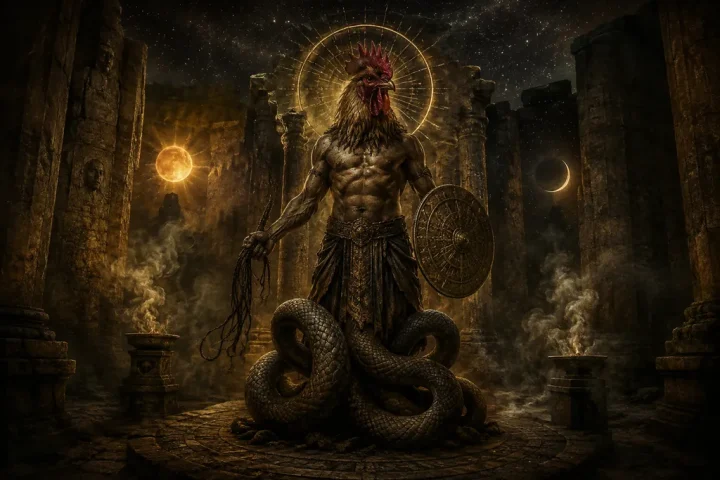
Abraxas: The Gnostic Power Beyond Good and Evil Abraxas, also written as Abrasax, Abraxis, or Abracax, is one of the most mysterious and paradoxical figures in Gnostic, magical, and demonological tradition. He
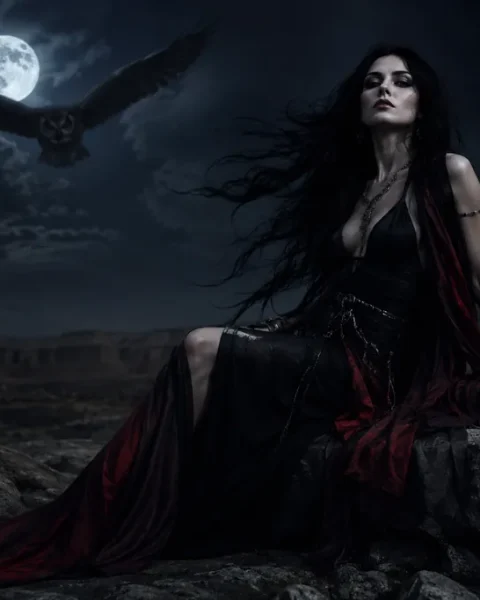
Lilith : Screech Owl; Beautiful Maiden; Dark Maid; Flame of the Revolving Sword; Maid of Desolation; Night Demon; Hand of Inanna; The Night Witch; The Howler Lilith: First Woman, Night Demon and Queen of the Wilderness Few supernatural beings possess
Eurynomus In Greek lore, a high-ranking Demon of Hades. The Greek geographer Pausanias (second c. C.E.) said in Description of Greece that the oracles at Delphi described Eurynomus as a flesh-eating Demon
falling stars Demons who have no way station in which to rest and so fall from the sky. In the Testament of Solomon the Demon ORNIAS explains to Solomon that Demons have
Halahel: The Ambivalent Demon of the Lemegeton The Lemegeton Clavicula Salomonis (commonly called the Lesser Key of Solomon) is one of the most influential grimoires in Western occultism, comprising five books that catalog hierarchies of
Harlequin: The Goblin of the Wild Hunt In European folklore, Harlequin is far more than the colourful clown later seen in theatre. Behind the mask and costume lies an older, darker figure:
The Head of the Dragons is a Demon in the form of a threeheaded dragon with awful skin. In the Testament of Solomon, the Head of the Dragons is a three-pronged spirit
The heavenly bodies are Demonsof the world of darkness who cause all the misery and strife in the world. The Testament of Solomon identifies two groups of seven or 36 heavenly bodies
Hecataea In Greek lore, frightening Demons and apparitions who are considered to be the “children” of Hecate, goddess of the underworld, dark Moon, ghosts, and magic. The Hecataea appear at the goddess’
Iblis is the primary name for the Devil in Islamic tradition and folklore. The name is often understood as meaning “despair” or “slanderer.” His exact origin and nature are uncertain, and Islamic
kelippah In Jewish Demonology, a type of Demon or Demonic force not distinguished by individual names. Kelippah means “shell,” “husk,” or “skin.” The kelippot (plural) are forces and the root of all
kesilim In Jewish Demonology, Demons who play tricks, misguide people, and make fun of them. Kesilim means “fooling spirits.” The kesilim appear in a 17thcentury book, Emek ha-Melekh. Related to them is
We're excited to share THIS LIST of spellcraft and witchcraft guides. Whether you're just starting out or deepening your practice, these books cover everything from wicca to hoodoo to demonology.CLICK HERE
Follow