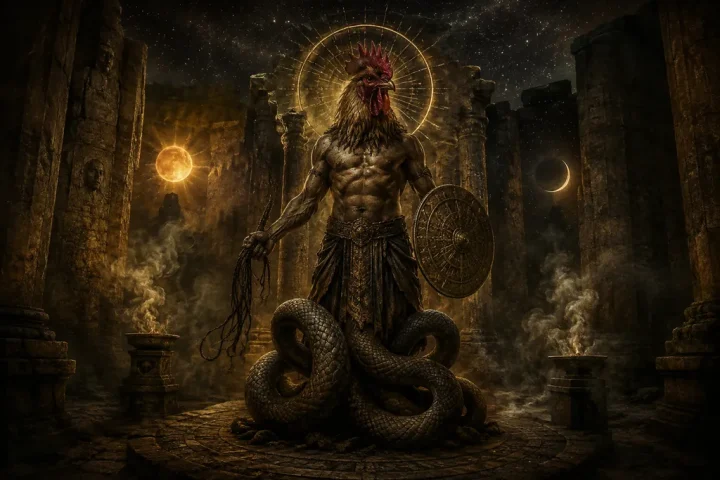
Abraxas: The Gnostic Power Beyond Good and Evil Abraxas, also written as Abrasax, Abraxis, or Abracax, is one of the most mysterious and paradoxical figures in Gnostic, magical, and demonological tradition. He
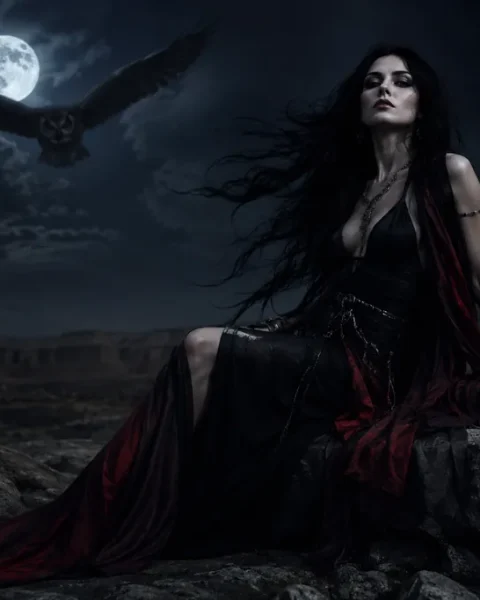
Lilith : Screech Owl; Beautiful Maiden; Dark Maid; Flame of the Revolving Sword; Maid of Desolation; Night Demon; Hand of Inanna; The Night Witch; The Howler Lilith: First Woman, Night Demon and Queen of the Wilderness Few supernatural beings possess
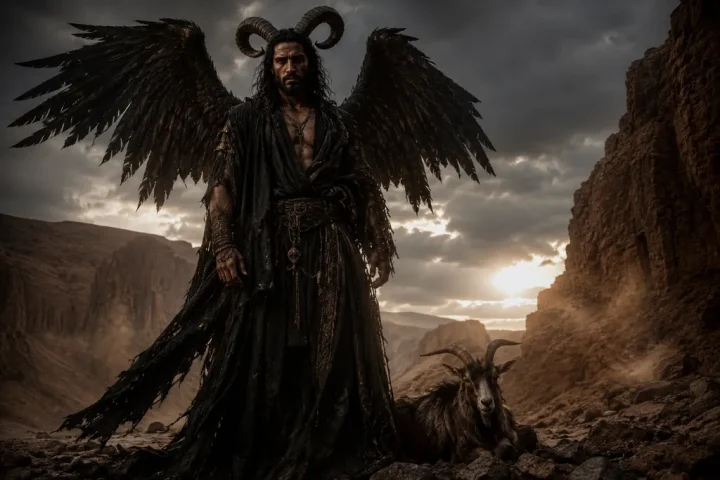
Belphegor : Master of the Opening Belphegor is a demon whose origins lie in ancient Moabite religion, later absorbed into Hebrew lore and subsequently transformed within Christian demonology into a major infernal
Bidiel Bidiel is a demon described as a wandering duke of the air. His nature is connected with movement, change, hierarchy and command, placing him among the many aerial spirits found in
Busyasta In Zoroastrianism, the Demon of lethargy, long sleep, and sloth. Busyasta is a female Demon with yellow, jaundiced skin and long claws. She makes men oversleep and neglect their religious duties.
Cesmak (Cheshmak, Cheshmak the Karap) In Zoroastrianism, the Demon of whirlwinds and destruction. In the Denkart, Cesmak is a harlot with a body of gold and big breasts. She tries to seduce
Choronzon, also written as Coronzon, is a demon or spirit first identified in the sixteenth century through the Enochian communications of John Dee and Edward Kelly. Dee referred to Coronzon as “333,”
Chthonic Deities Chthonic deities are the gods, spirits and supernatural powers associated with the underworld, the dead and the hidden depths of the earth. In classical mythology they were feared so intensely
Daeva: The Demonic Powers of Zoroastrianism In Zoroastrianism, the Daevas, also written as Daiva, Deva, or Dev, are powerful demonic beings who stand among the principal forces of evil. They are the
Dalkiel: Angel of Hell and Ruler of Sheol Dalkiel is a mysterious and obscure figure in demonological lore, described as an Angel of Hell and ruler of Sheol, the underworld. He serves
Djinn Also known as: Jinn, Jinni, Genie, Genii, Ginn, Jann Plural forms: Djinn, Jinn; in Morocco, jnoun Djinn are among the oldest and most enduring supernatural beings of the Middle East and
In Persian lore and Zoroastrianism, a class of chiefly female evil beings, sorcerers, monsters, fiends, the unrighteous, and the hosts of Hell. Some of the specific drujes are the following: • Druj
We're excited to share THIS LIST of spellcraft and witchcraft guides. Whether you're just starting out or deepening your practice, these books cover everything from wicca to hoodoo to demonology.CLICK HERE
Follow