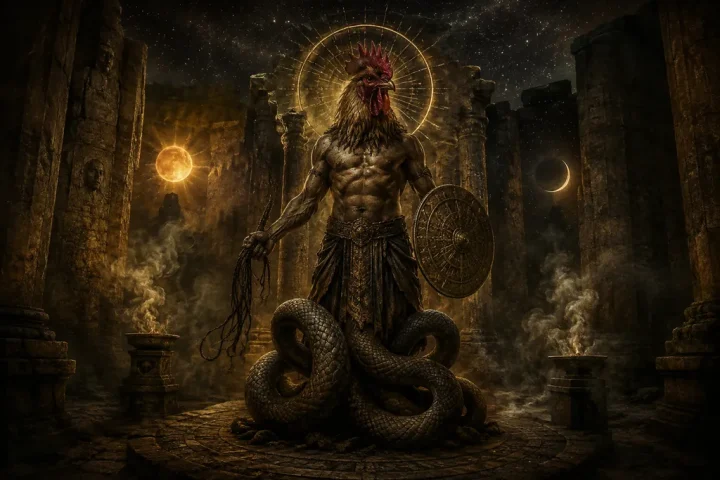
Abraxas: The Gnostic Power Beyond Good and Evil Abraxas, also written as Abrasax, Abraxis, or Abracax, is one of the most mysterious and paradoxical figures in Gnostic, magical, and demonological tradition. He
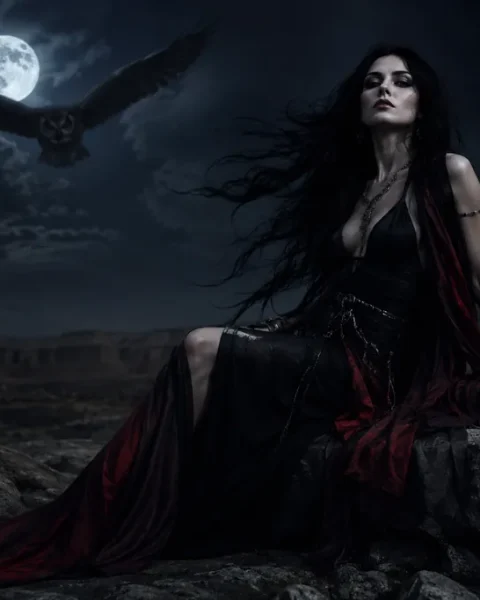
Lilith : Screech Owl; Beautiful Maiden; Dark Maid; Flame of the Revolving Sword; Maid of Desolation; Night Demon; Hand of Inanna; The Night Witch; The Howler Lilith: First Woman, Night Demon and Queen of the Wilderness Few supernatural beings possess
This is a Bronze Age round barrow, but its name comes from its being used as a place of execution in 1736. Michael Morey (or Moorey) was a woodsman who murdered his
In 1685, the elderly and aristocratic Dame Alice Lisle offered shelter in her home at Moyles Court to two men who had taken part in the Duke of Monmouth’s rebellion and were
The ghost of a young woman dressed in pale grey or white was said to haunt one of the bedrooms of Bramshill House. The Cope family, who for many generations owned this
Traditionally, ghosts are often associated with hidden treasure. Sometimes it is said that they have forgotten where it lies and are searching desperately; sometimes, that they feel guilty over depriving the living
The name of Centurion’s Copse, a wood on a hillside east of Brading, is a corruption of ‘St Urian’s Copse’, Urian being an eighth-century Breton saint to whom a small medieval chapel
The ruins of Basing House are all that remains of a sixteenth-century mansion, built on the motte of a former Norman castle. During the Civil War it was the home of Charles
One of the traditional motives for a ghost to appear is to reveal the fact that it had been murdered. This is well illustrated by an anecdote recorded by Roy Palmer about
This claims to be the most haunted village in Gloucestershire (though PAINSWICK might well say the same), with many phenomena centred round Prestbury House (now a hotel) and a nearby street called
A remarkable number of ghostly traditions have been collected in and around this town in the mid twentieth century. A typescript in the Gloucestershire Record Office, compiled in 1962 by Kenneth Cooke,
Phantom buildings are not so common in British folklore as ghostly riders or coaches, but they are occasionally mentioned. One such tale, which was told to the folklore collector Ruth Tongue in
We're excited to share THIS LIST of spellcraft and witchcraft guides. Whether you're just starting out or deepening your practice, these books cover everything from wicca to hoodoo to demonology.CLICK HERE

Follow