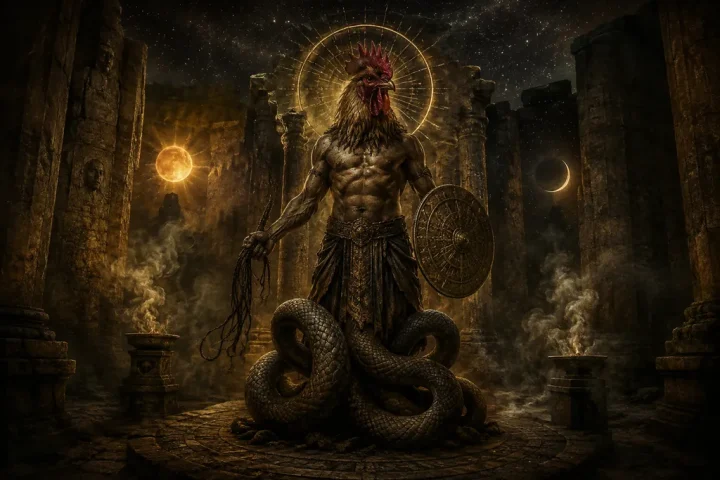
Abraxas: The Gnostic Power Beyond Good and Evil Abraxas, also written as Abrasax, Abraxis, or Abracax, is one of the most mysterious and paradoxical figures in Gnostic, magical, and demonological tradition. He
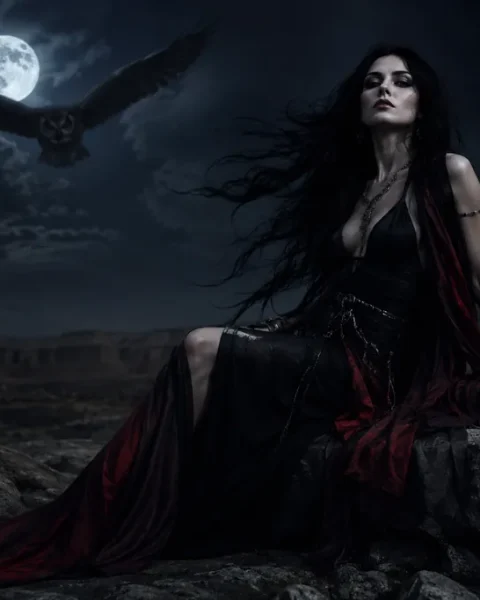
Lilith : Screech Owl; Beautiful Maiden; Dark Maid; Flame of the Revolving Sword; Maid of Desolation; Night Demon; Hand of Inanna; The Night Witch; The Howler Lilith: First Woman, Night Demon and Queen of the Wilderness Few supernatural beings possess
In Scottish folklore, the seelie court and unseelie court are the two groups of the fairy folk. The seelie is good and the unseelie is evil. The seelie, or blessed, court is
Estonia, a European nation that lies near the Baltic Sea, has been home to farmers, fishermen, and hunters for thousands of years. Until the twentieth century, families lived together in wooden huts,
Yarilo (also Jarilo or Yaro): god of the springtime and spring fertility. He is portrayed as a young man in white, with a wheat wreath on his head, a wheat sheaf in
Rod: possibly the most ancient of the Slavic deities and probably a peasant’s deity. His name means “kin,” and he is rarely mentioned except in the earliest hymns. He is credited with
Perun Perun is the great thunder god of Slavic tradition, lord of lightning, storms, warfare, weapons, sacred oaths and divine punishment. When thunder rolled across the forests and plains of the ancient
Kupalo: a god of vegetation and the center of the celebration called Kupala. The festival was timed to midsummer night, which marked the summer solstice and the height of the growing season.
Byelabog: the deity of light, of all goodness and happiness. His name means “white god” and his prime adversary is Chernabog, the black god. Some scholars believe that rather than representing the
We're excited to share THIS LIST of spellcraft and witchcraft guides. Whether you're just starting out or deepening your practice, these books cover everything from wicca to hoodoo to demonology.CLICK HERE



Follow