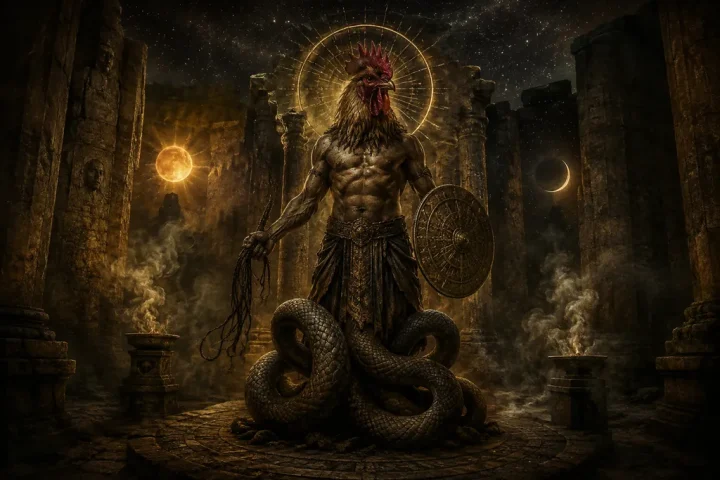
Abraxas: The Gnostic Power Beyond Good and Evil Abraxas, also written as Abrasax, Abraxis, or Abracax, is one of the most mysterious and paradoxical figures in Gnostic, magical, and demonological tradition. He
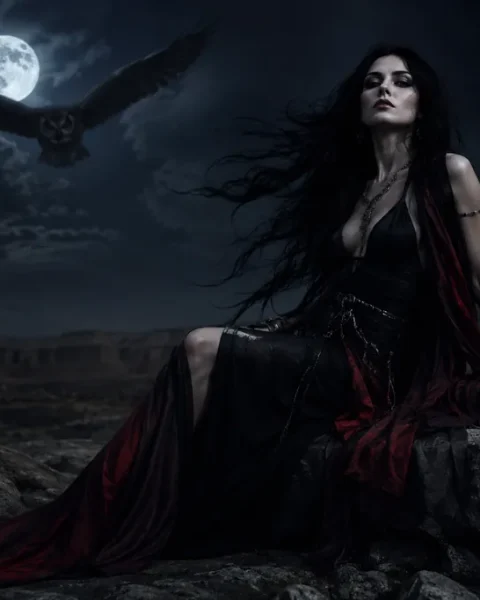
Lilith : Screech Owl; Beautiful Maiden; Dark Maid; Flame of the Revolving Sword; Maid of Desolation; Night Demon; Hand of Inanna; The Night Witch; The Howler Lilith: First Woman, Night Demon and Queen of the Wilderness Few supernatural beings possess
Alonzo de Aguilar, Don (15th century) Spanish hero in the reconquest of Spain from the Moors and the subject of various ballads. One ballad, The Death of Don Alonzo de Aguilar, tells
Eurytion (full-flowing little one) In Greek mythology, a centaur who caused the fight at the wedding of Pirithous and Hippodameia. Ovid’s Metamorphoses (book 12) tells the tale. The same name is born
Eurydice (wide justice) In Greek mythology, a dryad, wife of Orpheus, who died of a snakebite as she fled from Aristaeus. Orpheus went to the underworld in search of her. He was
Euphrosyne (good cheer) In Greek mythology, one of the three Graces. The others were Aglaea (splendor) and Thalia (abundance). They were all daughters of Zeus and Eurynome. SOURCE: Encyclopedia of World Mythology
Eunomia (good government) In Greek mythology, one of the Horae; goddess of order and legislation, daughter of Zeus and Themis. Her sisters were Eirene (peace) and Dice (justice). SOURCE: Encyclopedia of World
Euhemerus (spending days cheerfully) Fourth century b.c.e. Greek writer on mythology whose book Sacred History theorizes that the gods were originally humans who were later deified. SOURCE: Encyclopedia of World Mythology and
Eudora (generous) In Greek mythology, one of the Nereids, the 50 daughters of Nereus and Doris who attended Poseidon. Homer’s Iliad (book 18), Hesiod’s Theogony, and Ovid’s Metamorphoses all mention the Nereids.
Etna (Aetna, Etna) In Greek and Roman history and mythology, volcanic mountain on the eastern coast of Sicily where the forge of Hephaestus, god of fire, was located and where Zeus confined
Eteocles and Polynices (true glory and much strife) In Greek mythology, sons of Oedipus and Jocasta (or Euryganeia); brothers of Antigone and Ismene. Both sons had insulted their blind father, Oedipus, by
Erytheis (crimson) In Greek mythology, one of the Hesperides who guarded the Golden Apples in the garden of the Hesperides. SOURCE: Encyclopedia of World Mythology and Legend, Third Edition – Written by
We're excited to share THIS LIST of spellcraft and witchcraft guides. Whether you're just starting out or deepening your practice, these books cover everything from wicca to hoodoo to demonology.CLICK HERE

Follow