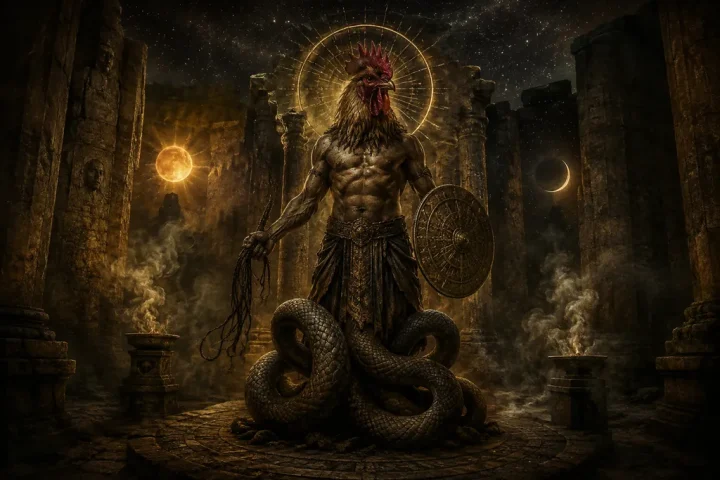
Abraxas: The Gnostic Power Beyond Good and Evil Abraxas, also written as Abrasax, Abraxis, or Abracax, is one of the most mysterious and paradoxical figures in Gnostic, magical, and demonological tradition. He
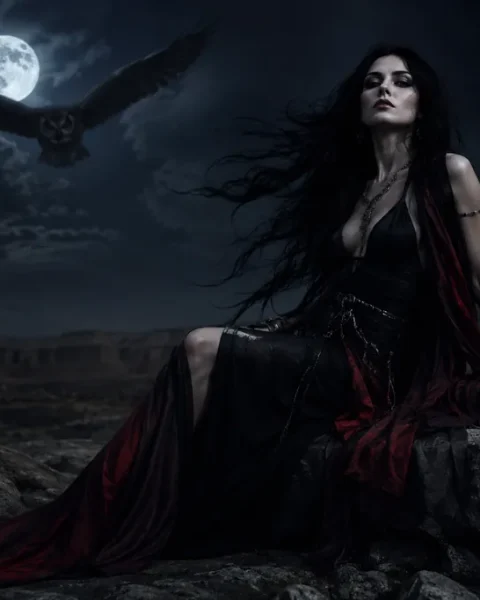
Lilith : Screech Owl; Beautiful Maiden; Dark Maid; Flame of the Revolving Sword; Maid of Desolation; Night Demon; Hand of Inanna; The Night Witch; The Howler Lilith: First Woman, Night Demon and Queen of the Wilderness Few supernatural beings possess
A hermaphrodite is in Alchemy, the figure of a merged man and woman, symbolizing the conjunction or marriage of opposites. The hermaphrodite is also known by its Latin name, rebis, meaning “double
hands Symbols of strength, authority, and power, a meaning perhaps dating to the ancient Egyptians, whose term for the hand also related to pillar and palm. In Alchemy, the right hand signifies
Manly P. Hall Philosopher of the Ancient Mysteries; Founder of the Philosophical Research Society Manly Palmer Hall was a Canadian-born philosopher, lecturer and prolific author whose writings introduced generations of readers to
Brag-srin-mo is Tibet’s mother goddess and ancestress. She lived in the mountains where she became romantically involved with a monkey god. Their children became the Tibetan people. Post-Buddhism, Brag-srin-mo was identified as
Brigantia Brigantia is a powerful Celtic goddess associated with sovereignty, protection, wisdom, victory and sacred authority. She was the presiding spirit of the Brigantes, the most populous Celtic tribe of Britain, whose
The Black Dog is among Britain’s most famous spectral hounds. It may be dangerous and malevolent or helpful and benevolent. It usually serves as a guardian of treasure or a sacred place.
Britomartis – Sweet Maiden; Blessing Maiden Britomartis is an ancient Cretan goddess. According to her most famous surviving myth, Britomartis was a mountain Nymph who, fleeing from the sexual advances of King
Bruxa Evora is a Brazilian witch spirit, a deified Moorish sorceress. Bruxa Evora speaks fluent Portuguese, Arabic, and Latin, but she is full of surprises and may know other languages, too. She
Buddha Buddha is a Sanskrit word that literally means “awake.” It is not a name, but a title acquired by one who has achieved enlightenment. The Buddha defined enlightenment as: • Complete
Bubilas is the patron of bees, honey, and beekeepers. In general, bee spirits are female, like the Queen Bee or worker bees, who are the bees most visible to people. Bubilas is
We're excited to share THIS LIST of spellcraft and witchcraft guides. Whether you're just starting out or deepening your practice, these books cover everything from wicca to hoodoo to demonology.CLICK HERE



Follow