
Hydromancy
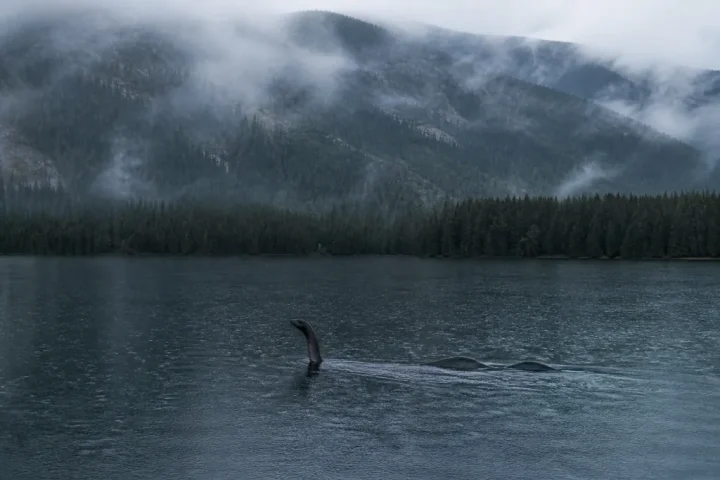
Hydromancy, also known as ydromancy or hydrascopy, is a form of divination by means of water. The practice may involve observing the colour, movement, ebb and flow, spontaneous agitation or ripples of water, as well as interpreting the effects produced when objects such as stones, oil, bread or other offerings are placed into it.
The name is derived from the Greek hudor, meaning “water”, and manteia, meaning “prophecy” or “divination”.
Origins and Early Traditions
According to Varro, hydromancy was invented by the Persians, while figures such as Pythagoras and Numa Pompilius were also said to have made use of it. Whether these traditions reflect literal historical origins or later attributions, they demonstrate the antiquity with which water divination was associated.
Water was particularly suited to divinatory use because of its constantly changing surface, its reflective qualities and its importance in religious ritual. Springs, rivers, fountains, pools and vessels of still water could all become mediums through which signs were sought.
In the second century AD, Pausanias described a fountain near Epidaurus dedicated to Ino, into which worshippers threw loaves while seeking an oracle from the goddess. If the loaves were accepted by the water and sank, the result was regarded as favourable and a sign of good fortune. If they were washed back out of the fountain, the omen was considered unfavourable.
Other traditions connected water with ordeals designed to reveal truth or hidden status. Among certain ancient Germanic peoples, newborn children were said to have been thrown into the Rhine in the belief that legitimacy could be determined by whether the child survived. Such customs have sometimes been compared with later practices involving trial by water, including the seventeenth-century practice known as “swimming witches”, as well as earlier Anglo-Saxon forms of ordeal.
Methods of Hydromancy
The Jesuit scholar Martin Antoine Del Rio (1551–1608) described several methods of hydromancy, illustrating how diverse the practice had become.
One method involved suspending a ring from a thread and dipping it into a vessel filled with water. The vessel was shaken, and the diviner interpreted the number of times the ring struck the sides as the basis for a judgement or prediction. This technique overlaps with other forms of pendular divination in which the movement of a suspended object produces an answer.
Another method required three pebbles to be thrown into still water. The circles and ripples produced when the stones struck the surface were then observed and interpreted. The size, number, interaction and direction of these expanding circles could provide the material from which the divination was made.
A third method depended upon the agitation or movement of water itself. Del Rio connected such practices with traditions in which water was ritually blessed or otherwise treated as sacred, although he distinguished these from ceremonies such as the symbolic marriage of the Adriatic performed by the Doge of Venice.
A fourth method involved observing the colour of water and the figures or shapes appearing within it. Varro was said to have referred to prognostications of this kind concerning the Mithridatic War. This branch became important enough to develop into related traditions centred specifically upon fountains and sacred springs, whose waters were visited for purposes of divination.
In another method, mysterious or ritual words were pronounced over a glass of water, after which the practitioner watched for spontaneous bubbling or agitation. Any unusual movement of the water could then be interpreted as a response.
A sixth form involved allowing a drop of oil to fall into a vessel of water. The oil spread across the surface and created a reflective medium through which remarkable or visionary images were believed to become visible. Del Rio referred to this method as the Modus Fessanus.
A seventh method was attributed by Clement of Alexandria to women among the Germanic peoples who observed the whirls, currents and courses of rivers and interpreted their movement for prognostic purposes. A similar account was later mentioned by Juan Luis Vives in his commentary on St Augustine.
Offerings, Names and Floating Signs
A simpler form of hydromancy involved casting offerings such as bread into a pool or fountain and observing what happened to them. If the offering remained in the water or sank, this could be considered favourable, while an object that drifted back towards the shore before sinking might be interpreted as a bad omen.
This principle has sometimes been connected with the still familiar custom of throwing coins into fountains for good luck. Because coins sink readily and remain beneath the surface, they fit naturally into the older symbolism in which an offering accepted by the water was considered favourable.
Another traditional method was used to determine the name of a particular person. Different names were written separately upon stones, which were then thrown into a pool. After a period of time, the stones were recovered and examined. If most of the names had been washed away while one remained legible, the surviving name was interpreted as the answer to the question.
Later and simpler variations combined similar ideas by using slips of paper placed upon or within water, allowing their movement, survival or deterioration to determine the response.
The Many Faces of Water Divination
Hydromancy is not a single narrowly defined technique but a broad family of divinatory practices united by the use of water as a medium. The practitioner may observe ripples, currents, colours, bubbles, reflected images or the behaviour of objects introduced into the water, and each of these phenomena can become the basis of interpretation.
Within the Occult World classification, hydromancy belongs most naturally to Divination by Observation, because most of its methods depend upon watching the appearance or behaviour of water and interpreting what becomes visible. Certain individual techniques, especially those involving the casting of stones, rings or written objects, can overlap with Sortileges, but the wider tradition is fundamentally observational.
Enter the Deeper Currents of Divination
Hydromancy reveals why water has remained one of the most powerful mediums in occult practice. It reflects, distorts, moves, conceals and transforms, making it an ideal surface upon which human beings have projected questions about fate, spirits and the future for centuries.
If you want to move beyond the superficial definitions of occult practice, enter the Occult World Mystery School and begin studying the systems behind elemental divination, ritual magic, spirits, omens and the grimoires that preserve them. There are thousands of spirits, gods, demons, magical systems, grimoires and forgotten traditions waiting beyond it. Stop standing at the edge of the water and looking in; enter the deeper current where serious occult study begins.


Follow