
Lilin, singular Lili, also appearing in variations such as Lilim or Lil-in, are nocturnal female demons in Jewish folklore. They are closely connected to the figure of Lilith, one of the most enduring and feared female spirits in Jewish demonological tradition.
In folklore, the lilin are described as a species of succubus: night-demons who approach human beings during sleep, dreams, sexual vulnerability, childbirth, or moments of spiritual weakness. They belong to the shadowy world of spirits associated with the night, seduction, illness, fertility, danger, and the unseen threats surrounding birth and infancy.
According to tradition, the lilin were born as the daughters of Adam and Lilith. This places them within one of the most famous mythic strands surrounding Lilith herself. In some Jewish legends, Lilith was Adam’s first wife, created before Eve, who refused submission and left the Garden. She later became associated with demons, sexuality, night terrors, seduction, infant death, and threats to mothers and newborn children.
The lilin inherit many of these same qualities. They are not merely wandering spirits, but descendants of a primordial rupture: the broken union of Adam and Lilith, the rejected feminine, the untamed night, and the dangers that exist outside the boundaries of family, law, and divine order.
In Jewish folklore, the lilin are especially dangerous to newborn children. They are said to prey upon newborn baby boys until they are eight days old, the period before circumcision, and newborn girls until they are twenty days old. This reflects an old protective concern surrounding the vulnerability of infants during the earliest days of life. Before modern medicine, newborn mortality was tragically common, and folklore often gave spiritual shape to fears that could not otherwise be explained.
The lilin were also believed to attack menstruating virgins, pregnant women, and mothers in childbirth. They were associated with barrenness, complications during childbirth, miscarriages, and other dangers connected to fertility and reproduction. In this sense, the lilin belong to a larger family of female night-demons found in many cultures: spirits who threaten the thresholds of sexuality, conception, pregnancy, birth, and infancy.
Their connection to menstruating virgins is especially significant. In traditional magical and religious imagination, menstruation was often viewed as a liminal state, a time when the body was considered spiritually powerful, vulnerable, or ritually charged. The lilin were believed to exploit this vulnerability, entering the spaces where blood, sexuality, fertility, and spiritual danger intersected.
The lilin were also said to attack the children of men who fantasised about other women while having sexual intercourse with their wives. This detail reveals a moral and symbolic dimension within the folklore. The danger does not only come from outside; it is also connected to desire, betrayal, divided attention, and improper sexual imagination. The child becomes vulnerable because the father’s mind has wandered into forbidden or disordered desire.
This idea reflects a broader magical worldview in which thoughts, desires, and intentions are not private or powerless. They create spiritual consequences. In such traditions, fantasy, lust, betrayal, and emotional disconnection can open the household to harmful forces. The lilin therefore become not only demons of the night, but also symbols of unguarded desire and the consequences of spiritual disorder within intimate life.
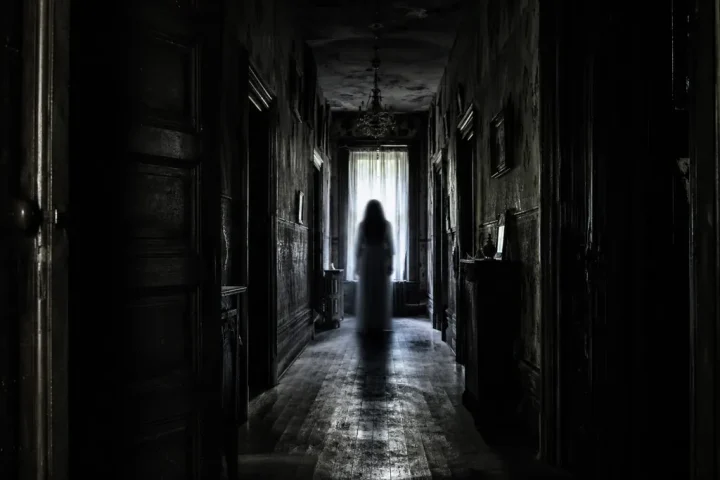
As night-demons, the lilin are closely related to fears of sleep, dreams, erotic visions, and nocturnal attack. The ancient world often interpreted disturbing dreams, sleep paralysis, sexual dreams, unexplained illness, and sudden infant death through the language of spirits. The succubus was not simply a sexual figure; she was a being who crossed the boundary between dream and waking life, between desire and danger, between the human body and the spirit world.
Protection against the lilin traditionally involved amulets. Potential victims, especially pregnant women, newborns, and children, could wear or be surrounded by protective charms bearing sacred names, angelic names, divine formulas, or apotropaic inscriptions. These amulets were intended to repel Lilith and her daughters, creating a spiritual barrier around the vulnerable person.
In Jewish protective magic, names have great power. Sacred names, angelic names, and written formulas were believed to command, repel, bind, or frighten harmful spirits. The amulet worked not merely as decoration, but as a written shield. It marked the person or household as guarded by divine authority.
The lilin therefore represent more than demonic seductresses. They embody a cluster of ancient fears: the danger of childbirth, the fragility of infants, the mystery of menstruation, the power of sexual desire, the vulnerability of sleep, and the threat of forces that approach under cover of darkness. They are spirits of the threshold, appearing where life is beginning, where the body is changing, where desire is active, and where the protective boundaries of the household must be strengthened.
In modern occult interpretation, the lilin can also be read symbolically. They may represent the shadow of suppressed sexuality, generational fear surrounding women’s bodies, the anxiety of motherhood, the demonisation of female autonomy, and the unresolved power of Lilith as a figure who refuses obedience. They are frightening in folklore, but they are also revealing. They show what a culture fears, what it tries to control, and what it pushes into the realm of the demonic.
For students of demonology, the lilin are important because they connect Jewish folklore, Lilith mythology, succubus traditions, protective magic, childbirth customs, and the spiritual interpretation of bodily vulnerability. They are not isolated figures. They belong to a wider network of stories about night spirits, female demons, amulets, sexuality, fertility, and divine protection.
To study the lilin is to study the darker edges of folklore: the place where fear, religion, gender, sexuality, protection, and spirit belief meet.
Continue Your Study Inside the Occult World Mystery School
If you are fascinated by Lilith, the lilin, Jewish demonology, succubi, night-demons, protective amulets, folklore, shadow work, witchcraft, and the deeper meaning behind ancient spirit traditions, you can continue your study inside the Occult World Mystery School.
Inside the community, you can go far beyond short encyclopedia entries. You can explore structured courses, deeper lessons, practical exercises, ritual theory, magical protection, demonology, black magick, witchcraft, transformation, grimoires, angels, tarot, Lenormand, and occult symbolism.
The Demonology Course will help you understand spirits like Lilith and the lilin within their historical, religious, folkloric, and magical context. You will explore demonic classifications, famous spirits, protective techniques, spirit lore, and the symbolic meaning of darker beings across cultures.
The Black Magick Course takes you deeper into power, shadow, intention, protection, energetic influence, and the responsible study of darker magical currents.
Join the Occult World Mystery School and continue your path.
Study the spirits.
Understand the folklore.
Strengthen your protection.
Explore the shadow with knowledge, discipline, and power.
Sources:
- Hyatt, Book of Demons, 51;
- Hurwitz, Lilith: The First Eve, 72, 88;
- Rogers, Religion of Babylonia and Assyria, 147.



Follow