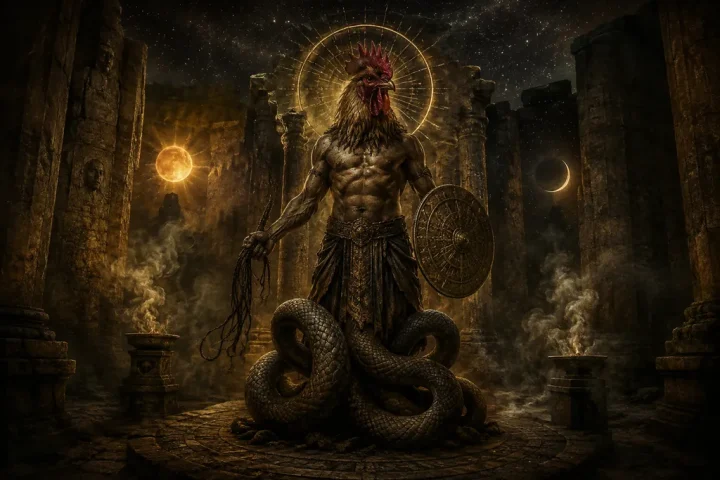
Abraxas: The Gnostic Power Beyond Good and Evil Abraxas, also written as Abrasax, Abraxis, or Abracax, is one of the most mysterious and paradoxical figures in Gnostic, magical, and demonological tradition. He
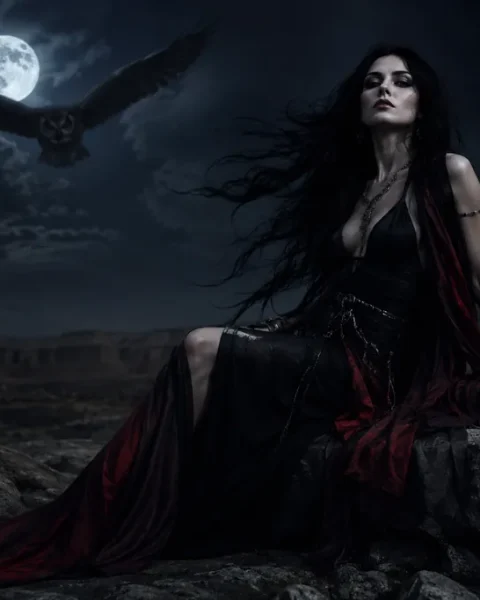
Lilith : Screech Owl; Beautiful Maiden; Dark Maid; Flame of the Revolving Sword; Maid of Desolation; Night Demon; Hand of Inanna; The Night Witch; The Howler Lilith: First Woman, Night Demon and Queen of the Wilderness Few supernatural beings possess
Asmadiel: An infernal duke in the hierarchy of the demon Macariel. As a demon of rank, Asmadiel commands four hundred minor spirits of his own. According to the Ars Theurgia, he most
Asimiel: A demon in the service of Camuel, the infernal prince of the southeast. Asimiel's name and seal appear in the Ars Theurgia, where he is said to belong to the hours
Asflas: A servant of the demon-king Albunalich, who rules in the north over the element of earth. Asflas is a hard-working demon who is described as being both even-tempered and patient. According
Asbibiel: A servant of the demon-king Armadiel, Asbibiel holds the rank of duke. He has a total of eighty-four lesser spirits to minister to him. His name and seal can be found
Asahel: One of several demons said to serve the infernal prince Aseliel during the hours of the day. According to the Ars Theurgia, Asahel holds the rank of chief president, and he
Asael is one of the fallen Watcher Angels associated with the rebellion described in the Book of Enoch. He belongs to the mysterious company of heavenly beings who abandon their appointed place
Artino is one of twelve chief dukes said to serve the demon Dorochiel. He is connected with the west and with hours of the day. In the Ars Theurgia, he is said
Artenegelun: A demon of disease, credited with the power to inflict fever, tremors, and weakness upon any target. Artenegelun is named in the Liber de Angelis as part of a spell designed
The Ars Theurgia is the second book of the Lemegeton, also known as the Lesser Key of Solomon. The word theurgia comes from a Greek root meaning “sacramental rite” or “mystery.” Theurgy
Arrnoniel: A demon said to command two thousand and four hundred ministering spirits. Arrnoniel serves in the hierarchy of the infernal prince Bidiel, described as a wandering spirit of the air. A
We're excited to share THIS LIST of spellcraft and witchcraft guides. Whether you're just starting out or deepening your practice, these books cover everything from wicca to hoodoo to demonology.CLICK HERE

Follow