
Hyomancy: Divination by Wild Swine and the Mystery of the Tongue Bone
Hyomancy is an exceptionally obscure form of divination that is usually defined as the prediction of future events through the observation of wild swine. A second and much less clearly explained definition identifies it as divination involving the tongue or the so-called tongue bone. These meanings have often been presented together, yet they appear to arise from two different attempts to explain the name rather than from a single well-documented ritual tradition.
Most modern glossaries derive hyomancy from the Greek hŷs, meaning swine, and manteia, meaning divination or prophecy. Under this interpretation, hyomancy belongs to zoomancy, the reading of omens through the appearance and behaviour of animals. The movements of wild hogs would therefore have been treated as meaningful signs capable of revealing approaching danger, changes in fortune or the outcome of a proposed undertaking. Modern catalogues of divinatory methods consistently preserve this definition, although they rarely provide a historical ceremony, geographical origin or surviving body of interpretations.
The alternative definition associates hyomancy with the hyoid bone, a small U-shaped structure situated at the front of the neck and closely connected with the muscles involved in movement of the tongue, speech and swallowing. The hyoid does not articulate directly with any other bone and is suspended by muscles and ligaments, giving it an unusual and almost floating position within the body. Older writers sometimes called it the lingual or tongue bone because of this intimate anatomical relationship.
The resulting ambiguity is important. If the name comes from hŷs, hyomancy concerns swine. If it comes from hyoid, it refers to a bone connected with the tongue and voice. The two interpretations should not be casually merged into a single ancient practice, because no reliable historical evidence has yet demonstrated that diviners observed wild hogs and examined tongue bones as two recognised branches of the same system.
Wild Swine as Bearers of Omens
Wild boars possessed a powerful and dangerous presence in the ancient and medieval imagination. Their physical strength, sudden aggression and ability to emerge unexpectedly from forests made them natural candidates for omen interpretation. A wild boar crossing a road could interrupt a journey with an encounter that felt charged with meaning, while the animal’s direction of movement might be interpreted as either opposing or favouring the traveller’s intended course.
Hyomancy, understood as divination by wild swine, would belong to the broader practice of interpreting unusual animal behaviour. Zoomancy does not necessarily require a formal ritual or a professional diviner. In many cultures, an unexpected animal appearance becomes an omen because it occurs at a decisive moment and appears to answer an unspoken question. Historical studies of zoomancy show that such readings often developed from spontaneous encounters rather than from fixed ceremonies performed in temples or courts.
A boar that suddenly charged towards a traveller might be understood as a warning against continuing, while one that crossed the path and disappeared into favourable territory could be read as a sign that the way remained open. Unusual cries, violent rooting or the unexpected appearance of several animals might also have invited interpretation. These examples are reasonable reconstructions of how animal omens commonly operate, but no surviving hyomantic manual has been located that assigns them fixed meanings.
This absence of an established interpretative code separates hyomancy from better-documented forms of animal divination. Ancient augury developed elaborate conventions surrounding birds, while other traditions examined sacrificial entrails or the behaviour of sacred animals. Hyomancy survives primarily as a dictionary term, leaving the precise practice hidden behind a concise definition.
The Boar Between the Wild and Civilised Worlds
The symbolic character of the boar helps explain why its behaviour could become prophetic. Domestic pigs lived within human settlements and were governed by human needs, but wild hogs belonged to forests, marshes and uncultivated ground. They occupied the border between the controlled world of the village and the dangerous territory beyond it.
An animal emerging from that wilderness could therefore appear as a messenger from a realm beyond ordinary authority. Its arrival might indicate that hidden forces were entering human affairs, particularly when the encounter occurred before war, hunting, travel or an important decision.
Boars were also difficult to predict. They could avoid humans for long periods before attacking with extraordinary force when cornered or threatened. This combination of secrecy and sudden violence made them suitable symbols of concealed danger. A diviner did not need to believe that the animal consciously understood the future. Its behaviour could be regarded as the visible expression of forces that human beings could not otherwise perceive.
The animal’s rooting behaviour may have carried further symbolic power. A hog breaks open the surface of the earth to uncover what lies beneath it, making the animal a natural image of revelation. What is concealed below the ground becomes visible through the movements of its snout. In an occult reading, the boar could therefore disclose hidden circumstances by disturbing the apparently stable surface of events.
Hyomancy and the Hyoid Bone
The second definition presents a much more difficult problem. Some lexical sources describe hyomancy as divination from the tongue bone or even from the manner in which the tongue moves. One modern etymological discussion argues that the term may be related to the hyoid bone rather than to the Greek word for swine, while acknowledging that descriptions of the actual divinatory method remain obscure.
The hyoid bone lies beneath the lower jaw and supports muscles involved in the movement of the tongue and larynx. Its name does not mean tongue or swine. It derives from the Greek description of the bone as resembling the letter upsilon, although its position led to later names such as lingual bone.
No dependable historical account has been located that explains how a hyoid bone was prepared, cast or read for prophecy. It is possible that an animal’s hyoid was examined as part of a wider osteomantic practice, but this remains speculation. Bone divination is historically widespread, and animal scapulae, shells and other skeletal parts were heated, cast or inspected in numerous traditions. That broader evidence cannot, however, be used to prove that a distinct system of hyoid-bone divination existed.
The reference to the tongue “wagging” may represent a playful lexical explanation rather than a genuine ritual. It could suggest interpreting involuntary speech, slips of the tongue or unusual movements during trance, but those methods would belong more naturally to divination through words, voices or bodily signs. One source that traces this definition to lexicographer Joseph T. Shipley explicitly questions its reliability and notes that the meaning may have been presented flippantly.
The safest conclusion is that the tongue-bone definition should be retained as part of the term’s modern reference history while being marked as uncertain. Presenting a detailed tongue-bone ritual as historical fact would go beyond the available evidence.
Two Words Hidden Inside One Name
Hyomancy may preserve an accidental collision between two similar word formations. The swine interpretation combines the Greek word for hog with the standard ending used for systems of divination. The tongue-bone interpretation seems to have developed from the anatomical term hyoid, whose resemblance to the beginning of hyomancy encouraged an alternative explanation.
This is an inference from the conflicting etymologies rather than a proven history of the word. The scarcity of early references makes it difficult to determine which definition appeared first or whether one originated through a copying error. What can be said with confidence is that modern occult glossaries overwhelmingly classify hyomancy as divination through wild hogs, while a smaller lexical tradition associates it with the hyoid or tongue bone.
The ambiguity should not be treated merely as a problem to be eliminated. It reveals how occult terminology changes as rare words move between dictionaries, encyclopaedias and modern lists of magical practices. A short definition may be copied repeatedly until its uncertain origin begins to resemble an established tradition.
Careful occult research must resist that process. The purpose of expanding a forgotten term is not to invent ceremonies that were never recorded, but to reveal what is known while preserving the mystery surrounding what has been lost.
Practising Hyomancy
There is no securely documented historical method that can be reconstructed as an authentic hyomantic ceremony. A modern practitioner who observes wild swine and treats their behaviour as divinatory would essentially be creating a specialised form of zoomancy rather than reviving a complete ritual preserved from antiquity.
Such an observation would need to occur without disturbing, approaching or provoking the animals. Wild boars can be dangerous, particularly when threatened or accompanied by young, and occult curiosity does not justify unsafe contact. The meaningful elements would lie in an unplanned appearance, the animal’s behaviour and the circumstances surrounding the encounter rather than in forcing the hog to perform a desired sign.
The question asked before the observation would determine how the omen was understood. Direction might indicate movement towards or away from an outcome, while agitation could suggest conflict developing beneath the surface. A calm animal feeding undisturbed might represent material security, although these meanings would belong to a modern symbolic system rather than to a verified historical code.
Any attempt to use animal remains, including a hyoid bone, would fall under modern osteomancy and should not be described as traditional hyomancy without further evidence. The bone’s association with speech could make it symbolically relevant to questions concerning truth, testimony or hidden words, but that interpretation would be contemporary.
The Oracle in the Forest
Hyomancy survives as little more than a name, yet the concept behind it reflects one of the oldest impulses in divination. Human beings have always watched animals for signs because animals perceive changes that may escape ordinary human attention. Their sudden movements can announce a predator, approaching weather or disruption within the landscape long before a person understands what is happening.
Occult interpretation extends this natural sensitivity into the realm of prophecy. The animal becomes a messenger whose behaviour reveals more than immediate physical danger. A wild hog emerging from the forest is no longer an accidental encounter but a rupture in the ordinary pattern of the world.
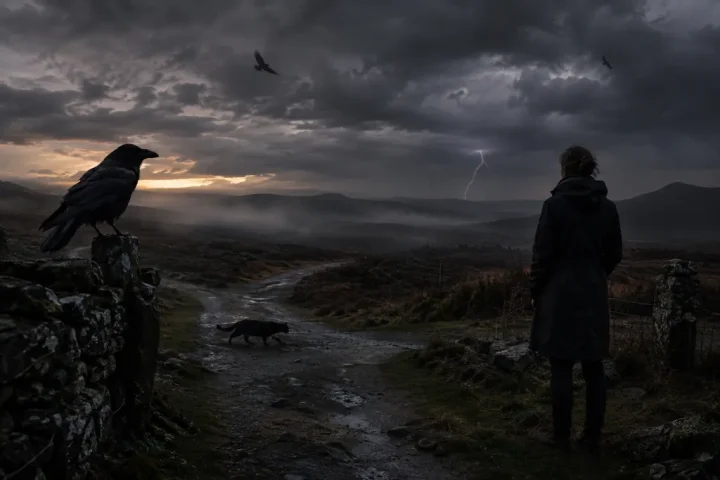
Whether hyomancy was ever practised as a formal discipline remains uncertain. Its importance lies in the image it preserves: the diviner standing at the boundary of the wilderness, watching a powerful creature and attempting to understand what unseen movement has driven it into view.
Do Not Settle for Empty Definitions
Most people will read the word hyomancy, repeat that it means fortune-telling by hogs and move on without recognising how little of the original practice has survived. They collect names while remaining ignorant of the history, symbolism and uncertainty concealed inside them.
Stop mistaking a glossary for initiation. Enter the Occult World Mystery School and learn to investigate divination, magical language and forgotten ritual traditions with the seriousness they demand. There are thousands of spirits, gods, demons, magical systems, grimoires and forbidden mysteries waiting beyond the threshold. Tear through the recycled definitions, seize the knowledge buried underneath them and join the Occult World Mystery School now.











Follow