

Topomancy (Divination by the Shape of the Land)
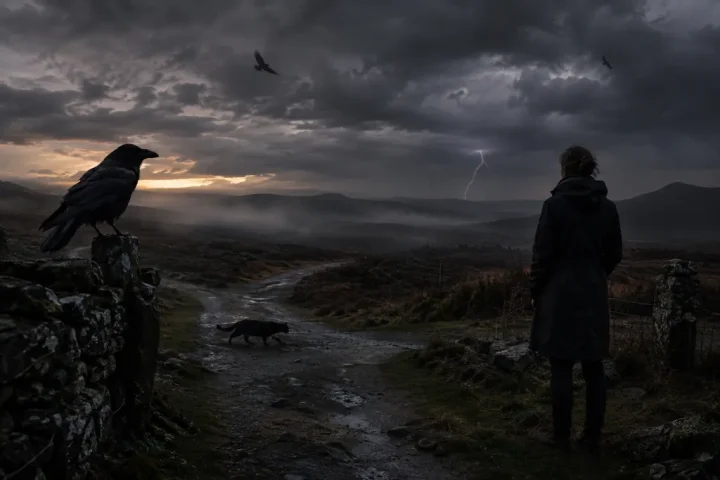
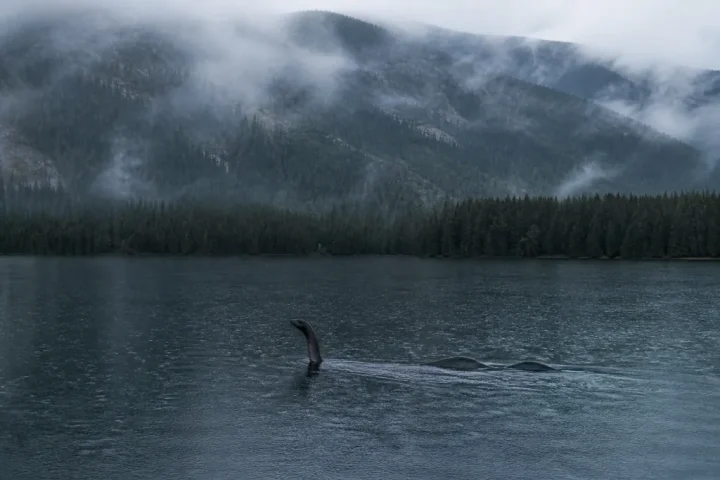
Topomancy is a form of divination based on observing the contours, features, and “character” of a landscape in order to interpret spiritual messages, omens, or the hidden destiny of a place. Rather than reading signs in the sky or in objects, the topomancer reads the Earth itself—its hills, valleys, cliffs, rivers, crossroads, caves, sinkholes, ridgelines, and unusual formations—as though the land were a living text.
In many traditions, the land is not neutral ground. It is considered a spiritual body, saturated with memory, shaped by forces both natural and supernatural, and capable of revealing patterns of fate to those trained to perceive them. Topomancy therefore stands at the crossroads of divination, sacred geography, geomancy (in the broad sense), omen lore, and spirit-place traditions.
Core Definition
Topomancy operates on a central belief:
The shape of the land reflects the flow of unseen forces—and those forces influence human life.
A topomancer may interpret the terrain to answer questions such as:
- Is this place spiritually safe or dangerous?
- Is it favourable for settlement, ritual, burial, or pilgrimage?
- Does the land “want” something—offerings, respect, protection?
- What is the destiny of those who dwell here?
- Where are the gates, crossings, and thin places?
Etymology
The term Topomancy derives from the Greek:
- topos (τόπος) — place
- manteia (μαντεία) — divination / prophecy
Literally: “prophecy by place.”
How Topomancy Works
Topomancy is observational and interpretive. It may include:
1) Reading landforms as omens
Unusual or striking features are considered meaningful, especially if they resemble symbols (serpent-like rivers, crown-shaped hills, skull-like cliffs, etc.).
2) Identifying power-centres
Places with “presence” (stillness, awe, dread, magnetism) may be interpreted as:
- sacred sites
- spirit dwellings
- ancestral grounds
- portals / thresholds
3) Interpreting directional and elemental currents
Waterways, winds, and sunlight patterns are read as energetic signals, often described as currents, breath, or spirit-flow.
4) Choosing locations for ritual activity
Topomancy has historically overlapped with the placement of:
- temples and shrines
- standing stones
- burial mounds
- crossroads rites
- protective boundaries around settlements
Common Symbols in Topomantic Reading
Topomancy often assigns symbolic meaning to recurring land features:
- Mountains / peaks: power, divine authority, watchfulness, fate-lines
- Valleys: womb-symbol, concealment, memory, ancestral currents
- Cliffs: warnings, sudden change, spiritual boundaries
- Caves: underworld access, initiation, spirits of the dead
- Springs / wells: healing, prophecy, sacred feminine currents
- Rivers: destiny-flow, life-paths, spirits in motion
- Crossroads / tri-junctions: spirit traffic, choice points, liminal power
- Ruins / ancient earthworks: echo-sites, haunted memory, ancestral presence
Cultural and Historical Parallels
While the word topomancy is modern and academic-sounding, the practice is ancient and global.
Topomantic thinking appears in:
- Celtic and Gaelic sacred landscapes (sidhe mounds, fairy hills, forbidden paths)
- Roman and Etruscan site selection (augural and sacred placement traditions)
- Feng Shui (reading landforms, water flow, and energetic alignment)
- Indigenous sacred geography (songlines, spirit-country, ancestral maps)
- Medieval European lore (thin places, cursed ground, holy wells)
- folk witchcraft (land omens for luck, illness, haunting, fertility)
Topomancy often survives where people believe spirits dwell in the land, and where place itself is treated with ritual respect.
Topomancy and “Genius Loci”
A major concept associated with topomancy is the genius loci—the “spirit of place.” In Roman religion this was an actual spiritual presence associated with a location. Modern occultists use the term to describe the unique energetic identity of land.
In topomancy, the land’s spirit may be interpreted through:
- atmosphere (oppressive vs serene)
- sound (unnatural silence, whispers, animal calls)
- animal behaviour (avoidance, gathering, agitation)
- repeated synchronicities (lost time, sudden storms, directional confusion)
Modern Use
Today topomancy appears in:
- occult travel and paranormal investigation
(why certain sites produce hauntings, apparitions, or “high strangeness”) - witchcraft and land-based traditions
(finding ritual sites, spirit gateways, offerings to local intelligences) - psychogeography (occult-adjacent)
(how landscapes affect mood, behaviour, and subconscious perception) - magical mapping / energetic mapping
(identifying nodes of power, ley-like currents, thresholds)
Many practitioners blend topomancy with:
geomancy, dowsing, pendulum work, scrying, dream incubation, and trance-walking.
See Also (Occult World Cross-links)
- Geomancy
- Dowsing
- Ley Lines
- Sacred Sites
- Crossroads
- Genius Loci (Spirit of Place)
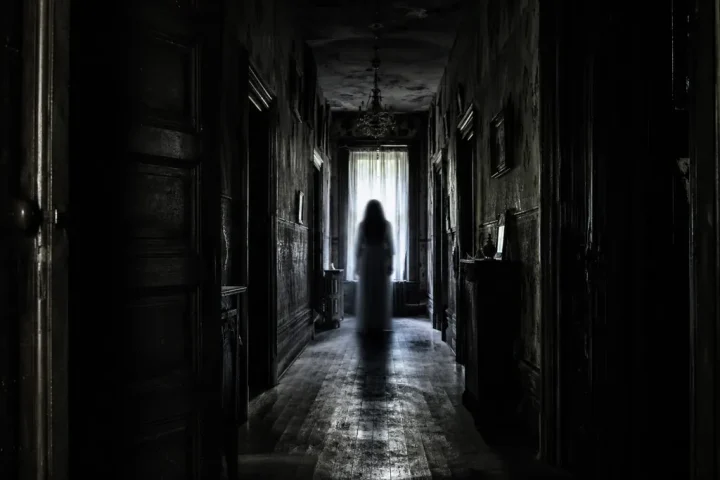
- Haunted Landscapes
- Thin Places
- Earth Mysteries


Follow