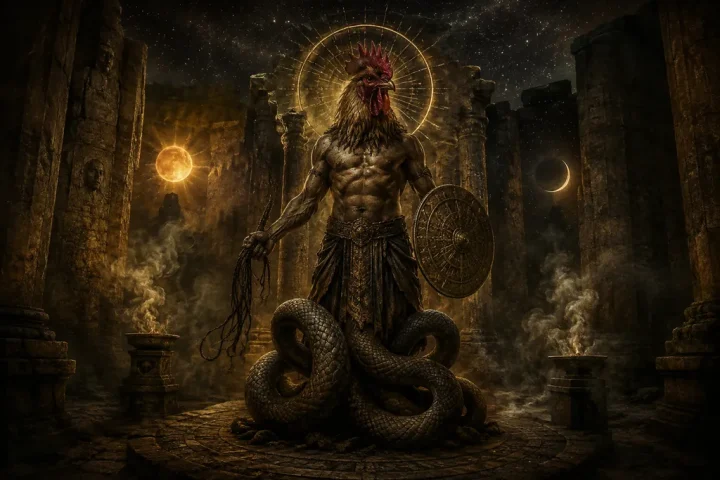
Abraxas: The Gnostic Power Beyond Good and Evil Abraxas, also written as Abrasax, Abraxis, or Abracax, is one of the most mysterious and paradoxical figures in Gnostic, magical, and demonological tradition. He
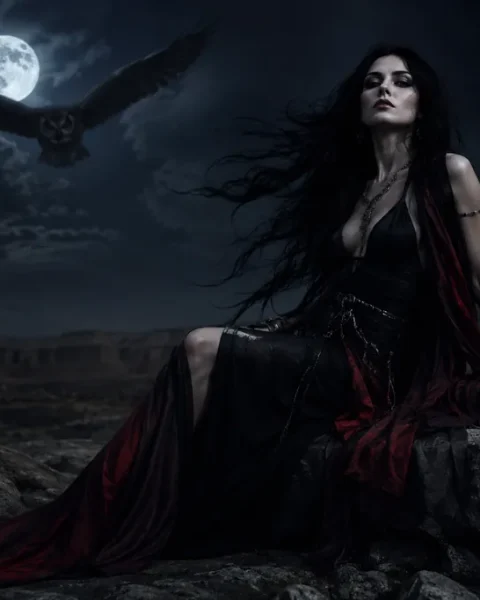
Lilith : Screech Owl; Beautiful Maiden; Dark Maid; Flame of the Revolving Sword; Maid of Desolation; Night Demon; Hand of Inanna; The Night Witch; The Howler Lilith: First Woman, Night Demon and Queen of the Wilderness Few supernatural beings possess
Obedama: This demon appears in the Sacred Magic of Abramelin the Mage. Obedama is supposed to serve beneath all four of the demonic princes of the cardinal directions: Oriens, Paimon, Ariton, and
Obagiro is a demon associated with the Sacred Magic of Abramelin the Mage, where he appears among the spirits connected with the famous Holy Guardian Angel operation. Within the infernal hierarchy of
Oaspeniel: One of twelve dukes governed by the wandering prince Emoniel. Both Oaspeniel’s name and his demonic seal appear in the seventeenthcentury magickal text known as the Ars Theurgia. He is said
Magael: One of twelve chief dukes who serve the infernal king Dorochiel in the hours of the day. Through his allegiance to Dorochiel, he is affiliated with the west. Magael has forty
Marguns: A demon in the hierarchy of the south, as outlined in the Ars Theurgia. Marguns is a duke of the infernal king Barmiel, whom he faithfully serves during the hours of
Mafrus: One of a thousand chief dukes ruled by the demon-king Symiel during the hours of the night, Mafrus is described as being stubborn and reluctant to appear to mortals, even when
Megalogim: One of several demons said to serve the infernal prince Ariton in the Sacred Magic of Abramelin the Mage. Occultist Mathers parses this name as meaning “in great things,” from a
Marag: Demon of Magoth and Kore Marag is a demon named in The Sacred Magic of Abramelin the Mage, where he appears among the many subordinate spirits arranged beneath greater infernal rulers.
Marbuel: The Lion Prince of Secrets and Hidden Treasures Marbuel is a spirit named in the Sixth and Seventh Books of Moses, where he is described as one of the Seven Great
Maraos: A demonic servitor of the infernal king Amaimon, Maraos appears in the Sacred Magic of Abramelin the Mage. The exact spelling of this demon’s name is a matter of some dispute.
We're excited to share THIS LIST of spellcraft and witchcraft guides. Whether you're just starting out or deepening your practice, these books cover everything from wicca to hoodoo to demonology.CLICK HERE
Follow