

An incubus is a male demon or spirit traditionally believed to approach human beings, most often women, during sleep for sexual purposes. The incubus is commonly paired with the succubus, its female counterpart. In demonological, folkloric, Jewish, Christian, and medieval witchcraft traditions, both beings are associated with nocturnal visitation, oppression during sleep, seduction, spiritual danger, and the crossing of boundaries between the human and spirit worlds.
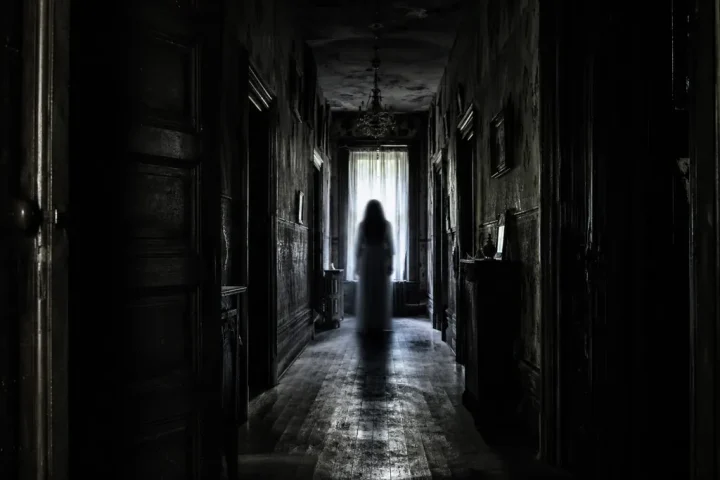
The word incubus comes from the Latin incubare, meaning “to lie upon.” This reflects one of the most frequently reported features of incubus lore: the sensation of a heavy presence pressing down upon the sleeper. Victims in traditional accounts often describe paralysis, pressure on the chest, difficulty breathing, choking, fear, or the sense of being unable to move. In ancient Greek sources, similar phenomena were called ephialtes, meaning “the pouncer,” and pnigalion, meaning “suffocation.” Roman writers also referred to such experiences as nocturnal illusions or oppressive sleep disturbances.
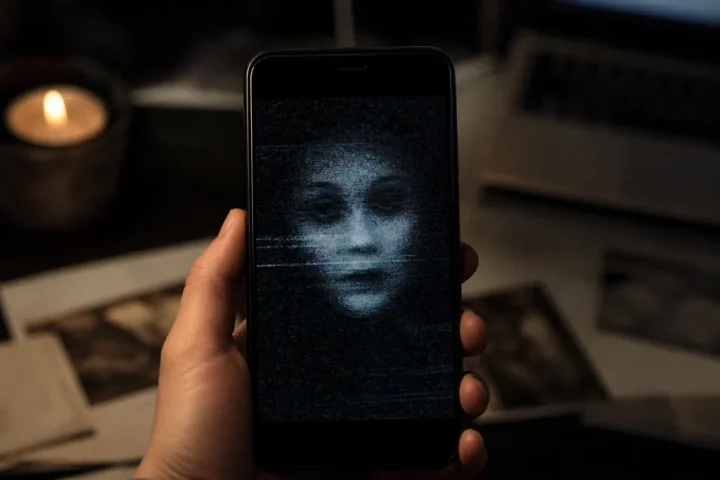
In modern terms, many incubus experiences resemble what is now commonly understood as sleep paralysis: a state between waking and sleeping in which a person may be conscious but unable to move, sometimes accompanied by vivid hallucinations, pressure on the body, or the presence of a threatening figure. However, in historical demonology, these experiences were interpreted through religious, magical, and cultural frameworks. What modern medicine may describe as a sleep phenomenon, earlier cultures often understood as an attack by a spirit, demon, witch, or night-being.
The Incubus in Jewish Demonology
In Jewish demonological tradition, the incubus is connected with stories of spirits who seek contact with human beings during sleep. Certain legends describe Adam as producing demonic offspring during a period of separation from Eve. In later mystical and kabbalistic writings, including traditions associated with the Zohar, nocturnal unions between humans and spirits were sometimes understood as a means by which demonic beings multiplied or gained power.
These accounts place the incubus within a wider spiritual system in which demons are not merely monsters, but beings with hierarchies, ranks, desires, and functions. Human sexuality, dreaming, and vulnerability during sleep become points of contact between the visible and invisible worlds. The incubus therefore represents more than lust; it represents the fear that the human body may be approached, influenced, or used by unseen forces.
The Incubus in Early Christian Thought
Early Christian writers also discussed beings resembling incubi. Some church fathers and religious commentators linked them to the “sons of God” mentioned in Genesis, who were said to have taken human women and produced the Nephilim, a race of giants. This interpretation connected sexual spirits with fallen angels, forbidden unions, and the corruption of the human world by non-human intelligences.
Writers such as St Justin Martyr, Clement of Alexandria, Tertullian, and later Christian authorities treated such beings as evidence of demonic intrusion into human affairs. St Augustine also discussed traditions concerning lustful spirits, including sylvans and fauns, who were believed in pagan folklore to harass women. For Christian theologians, these beings were often reclassified as demons, regardless of their older pagan or folkloric identities.
This is an important feature of demonology: beings that may once have been understood as nature spirits, fauns, demigods, ancestral beings, or local spirits were frequently absorbed into Christian demonological systems. The incubus became part of this larger process of reinterpretation, where older supernatural beings were recast as instruments of demonic temptation.
The Incubus During the Witch Hunts
During the European witch hunts and the period of the Inquisition, belief in incubi became closely tied to accusations of witchcraft. Demonologists claimed that witches had sexual relations with demons, sometimes willingly and sometimes under coercion. These claims appear in witch-hunting manuals, trial records, theological writings, and demonological treatises.
The Malleus Maleficarum, published in 1487, helped popularise the idea that demons could engage in sexual activity with humans and that witches entered into intimate relationships with demonic beings as part of their pact with the Devil. In such writings, sex with an incubus was not treated merely as a physical act. It was seen as spiritual corruption, proof of allegiance to the Devil, and evidence of moral and religious rebellion.
Women accused of witchcraft were often interrogated or tortured until they confessed to relations with incubi. These confessions cannot be treated as reliable evidence of actual experience. They were produced in an atmosphere of fear, torture, misogyny, religious panic, and legal coercion. Nevertheless, they shaped European demonological literature and contributed to the terrifying image of the incubus as a demonic seducer and corrupter.
Demonologists described incubi as especially attracted to women considered spiritually vulnerable or symbolically important: virgins, widows, nuns, devout women, and women accused of witchcraft. These claims reflected the gendered anxieties of the period. Women were often portrayed as weaker, more easily tempted, and more vulnerable to demonic influence. The incubus therefore became a vehicle for expressing fears about sexuality, sin, female autonomy, and religious purity.
Demonic Conception and Monstrous Births
One of the most disturbing beliefs associated with incubi was the idea that they could cause pregnancy. Medieval and early modern demonologists debated how this could occur, since demons were generally believed to lack physical bodies and therefore could not produce offspring in the ordinary human sense.
A common explanation held that demons acted first as succubi, collecting semen from men, and then as incubi, using it to impregnate women. In this theory, the demon did not generate life independently, but served as a supernatural carrier of human seed. This concept appears in several demonological discussions and was used to explain legendary births of monstrous, heroic, or spiritually abnormal children.
Some accounts described the offspring of incubi as deformed, unnatural, or semi-demonic. Such stories belong to the wider medieval and early modern fascination with monstrous births, omens, abnormal bodies, and the belief that spiritual or moral disorder could manifest physically. Modern readers should approach these accounts critically. They often reflect fear, superstition, misogyny, misunderstanding of birth defects, and the demonisation of women’s bodies.
Not all theologians accepted these claims. Johann Weyer, one of the most important critics of witch-hunting demonology, rejected many stories of incubi and succubi as products of imagination, illness, fear, or delusion. He argued against the cruelty of witch trials and treated many accused witches as mentally or physically afflicted rather than demonically guilty. His scepticism stands in contrast to writers such as Nicholas Remy, Francesco Maria Guazzo, and later Montague Summers, who defended or repeated more traditional demonological claims.
Remedies Against the Incubus
Traditional Christian remedies against incubus attacks included confession, prayer, the sign of the cross, recitation of the Ave Maria or Lord’s Prayer, holy water, exorcistic intervention, and in some accounts, moving to another house or location. The Church sometimes treated persistent incubus phenomena as a form of demonic oppression requiring spiritual discipline, confession, and clerical assistance.
In magical and folkloric traditions, other protective methods might include charms, amulets, blessed objects, iron, protective herbs, religious symbols, prayers before sleep, or the strengthening of household boundaries. These remedies reveal how seriously nocturnal visitations were taken. The bed, normally a place of rest and vulnerability, became in incubus lore a site of spiritual danger.
The Incubus in Modern Interpretation
Today, the incubus is interpreted in several ways depending on the field of study. In folklore, it is a night spirit associated with sexual fear and sleep oppression. In psychology, incubus experiences are often compared to sleep paralysis, trauma imagery, suppressed fear, or hypnagogic hallucinations. In religious contexts, the incubus may still be understood as a demon or unclean spirit. In occult and esoteric circles, it may be approached as part of broader discussions of spirit contact, sexual energy, astral experience, and psychic boundaries.
The figure of the incubus remains powerful because it touches several deep human anxieties at once: loss of control, vulnerability during sleep, forbidden desire, spiritual intrusion, invisible forces, and the fear that the body can be acted upon by something unseen. It is not merely a demon of lust. It is a demon of boundary violation, nocturnal terror, and the shadow side of human sexuality.
As an entry in demonology, the incubus must be studied carefully. It belongs to folklore, theology, witchcraft history, sleep experience, gender history, and spiritual belief. Its legend reveals as much about human fear and religious imagination as it does about demons themselves.
Study Demonology Inside the Occult World Mystery School
The incubus is one of the most controversial and misunderstood figures in demonology. To study it properly, you must look beyond sensational stories and examine the deeper layers: Jewish demonology, Christian theology, witch-trial history, sleep phenomena, sexuality, spirit lore, and the way cultures explain invisible forces.
Inside the Occult World Mystery School, the Demonology section gives you a serious place to study beings such as the incubus, succubus, fallen angels, night spirits, infernal hierarchies, and the darker figures of occult tradition.
This is not superficial demon content. It is structured study for those who want to understand demonology as a historical, spiritual, symbolic, and magical field.
Inside the Demonology section, you can explore:
Demonic spirits in world traditions
Fallen angels and the Nephilim
Incubi and succubi
Possession and oppression
Demonic hierarchies
Spirit classification
Protection and spiritual boundaries
Demonology in grimoires
The difference between demons, spirits, and gods
The role of fear, shadow, and power in occult practice
Join the Occult World Community on Skool and continue your study inside the Demonology section.
Occult World has been serving occult knowledge since 2003 : Making the Invisible Visible.
FURTHER READING:
- Guazzo, Francesco-Maria. Compendium Maleficarum. Secaucus, N.J.: University Books, 1974.
- The Malleus Maleficarum of Heinrich Kramer and James Sprenger. New York: Dover, 1971.
- Remy, Nicholas. Demonolatry. Secaucus, N.J.: University Books, 1974.
- Summers, Montague. The History of Witchcraft and Demonology. London: Kegan Paul, Trench, Trubner, 1926.
- Trachtenberg, Joshua. Jewish Magic and Superstition: A Study in Folk Religion. New York: Berhman’s Jewish Book House, 1939.
- Weyer, Johann. On Witchcraft (De praestigiis daemonum). Abridged. Edited by Benjamin G. Kohl and H. C. Erik Midelfort. Asheville, N.C.: Pegasus Press, 1998.
SOURCE:
The Encyclopedia of Demons and Demonology – Written by Rosemary Ellen Guiley – Copyright © 2009 by Visionary Living, Inc.



Follow