
The Rada lwa are among the two primary pantheons of Haitian Vodou, the other being the Petro lwa. Most Rada spirits trace their origins directly to Africa, especially to Dahomey, the region now known as Benin. Because Dahomey was home to different ethnic groups and spiritual traditions, individual Rada spirits may preserve traces of these older African distinctions.
This African connection is clearly reflected in the names of certain lwa, such as Ezili Freda Dahomey and Damballah. These names preserve memory, lineage, and spiritual origin, linking Haitian Vodou back to the sacred traditions carried across the Atlantic by enslaved Africans.
The Meaning of Rada
The name Rada is believed to derive from Arada, or Allada, a sacred Dahomean coastal city that later became an important slave port. Many enslaved Africans who arrived in what is now Haiti departed from Allada. In Vodou tradition, it was also through this passage that the Rada lwa accompanied their devotees into the New World.
The Rada spirits are also known as Lwa Rasin, meaning “root lwa.” This name reflects their status as among the oldest and most foundational spirits in Haitian Vodou. They are also called Lwa Ginen, meaning “African lwa.” Ginen refers both to the physical land of Africa and to the sacred ancestral realm beneath the sea, where spirits and ancestors dwell.
The Nature of the Rada Lwa
In general, the Rada are calm, patient, benevolent, and accessible spirits. They are often considered the safest lwa for beginners and independent practitioners who feel drawn to Vodou. Their energy is usually cooler, steadier, and more compassionate than that of the Petro spirits, who are known for their fiery and demanding nature.
This does not mean that the Rada are weak or without authority. Many Rada lwa can be stern, strict, and exacting, especially when promises are broken or proper respect is not shown. However, they are also renowned for their mercy and understanding.
If a devotee has promised an offering but genuinely cannot fulfil it because of hardship, poverty, illness, or circumstances beyond their control, the Rada lwa may be approached with humility. It may be possible to ask for mercy, more time, or even to renegotiate the offering. This attitude of patience and compassion is one of the reasons the Rada are so beloved within Vodou.
Working with the Rada
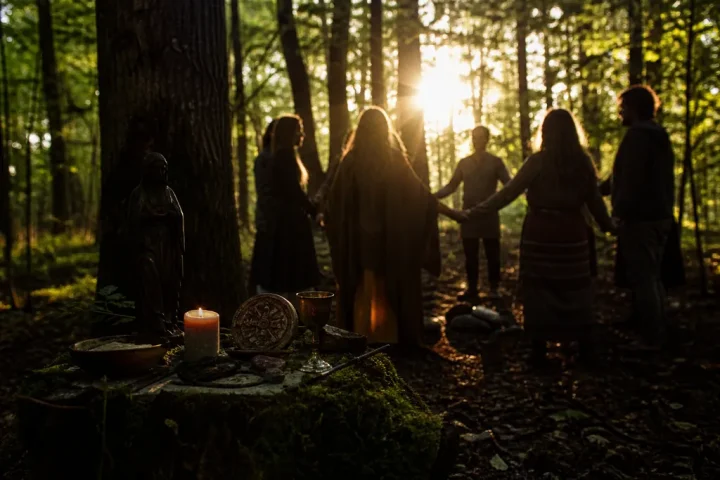
Approaching the Rada spirits requires sincerity, respect, cleanliness, and patience. These spirits are deeply connected to ancestry, memory, healing, wisdom, and spiritual order. They are not approached casually, but with reverence and an understanding that Vodou is a living tradition rooted in community, lineage, and service.
For those who are new to Vodou, the Rada lwa provide a powerful doorway into the deeper mysteries of the tradition. They teach balance, devotion, discipline, and the importance of honouring those who came before us.
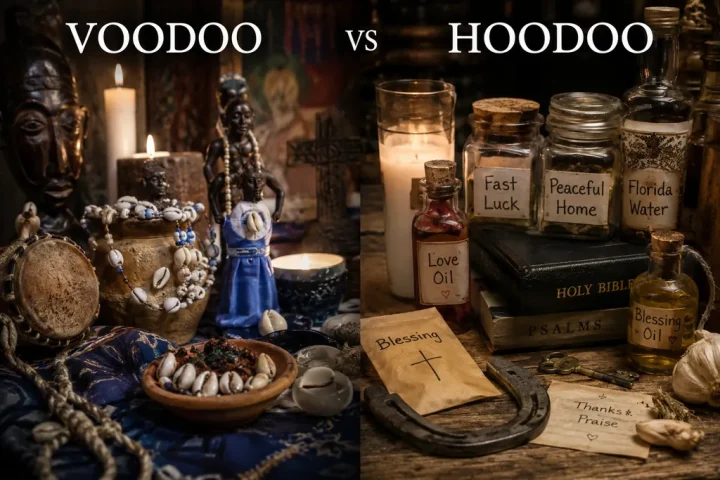
Enter the World of Vodou and Hoodoo
If you feel called to learn more about the Rada spirits, Haitian Vodou, Hoodoo, lwa, spirits, ritual practice, ancestral traditions, and magical history, join us inside the Occult World Mystery School.
Inside the community, you can follow structured Voodoo and Hoodoo courses, explore the spirits in greater depth, meet fellow Voodoo practitioners and seekers, and read powerful Voodoo books inside the Occult World library. This is where serious students, occultists, and spiritual explorers come together to learn, share, and grow.
Join the Occult World Mystery School today and step deeper into the mysteries of Vodou, Hoodoo, and the living world of the spirits.
CLASSIFICATION:
Lwa
ELEMENT
Water (Individual members of the pantheon may be affiliated with other elements, too, but the Rada pantheon as a whole is associated with water.)
SEE ALSO:
SOURCE:
Encyclopedia of Spirits: The Ultimate Guide to the Magic of Fairies, Genies, Demons, Ghosts, Gods & Goddesses– Written by Judika Illes. Copyright © 2009 by Judika Illes.







Follow